
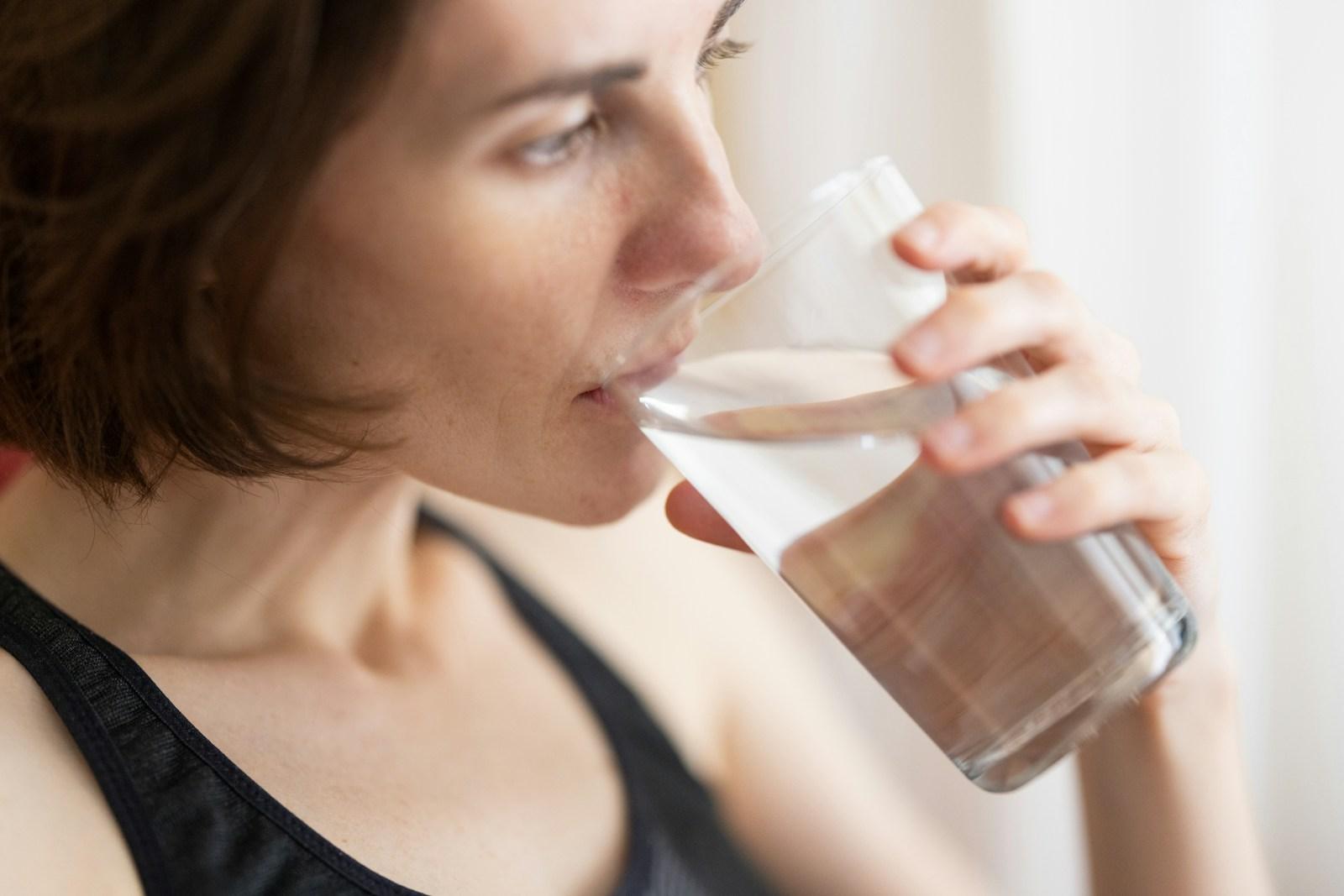
Water is essential for life, and hydration is one of the most important aspects of health. Every cell, tissue, and organ in the body requires water to function properly. Despite this fact, many people are unsure about how much water they should drink each day. Some believe that eight glasses is the standard, while others think that hydration needs vary widely. Understanding the role of water, the signs of dehydration, and the factors that influence fluid requirements helps individuals make better choices for their health.
Why Hydration Matters
Water plays a critical role in maintaining body temperature, transporting nutrients, and removing waste. It helps lubricate joints, protects tissues, and supports digestion. Without adequate hydration, the body struggles to perform these functions efficiently. Even mild dehydration can cause fatigue, headaches, and reduced concentration. Severe dehydration may lead to serious complications, including kidney problems and heat-related illnesses.
Hydration is not only about preventing negative outcomes. Proper fluid intake supports energy levels, improves physical performance, and enhances mental clarity. Athletes, for example, rely on hydration to maintain endurance and strength. Office workers benefit from hydration because it helps sustain focus during long hours of concentration.
How Much Water Is Enough
The idea that everyone needs eight glasses of water per day is a common guideline, but it is not a strict rule. Hydration needs vary depending on age, weight, activity level, and climate. The National Academies of Sciences, Engineering, and Medicine recommend about 3.7 liters per day for men and 2.7 liters per day for women, including fluids from food and beverages.
Foods such as fruits and vegetables contribute significantly to hydration. Watermelon, cucumbers, and oranges contain high water content. Soups and broths are additional sources. This means that individuals do not need to rely solely on plain water to meet their daily needs.
Factors That Influence Hydration
Several factors affect how much water a person requires.
- Activity Level: Exercise increases fluid loss through sweat, so athletes and active individuals need more water.
- Climate: Hot and humid environments raise fluid requirements because the body sweats more to regulate temperature.
- Health Conditions: Illnesses such as fever, diarrhea, or vomiting increase fluid loss and require higher intake.
- Diet: High-protein or high-salt diets may increase water needs. Caffeine and alcohol have diuretic effects, which can contribute to dehydration.
Understanding these factors helps individuals adjust their intake based on personal circumstances.
Signs of Dehydration
Recognizing dehydration is important for maintaining health. Common signs include:
- Dry mouth and lips
- Dark-colored urine
- Fatigue and dizziness
- Reduced concentration
- Muscle cramps
Severe dehydration may cause confusion, rapid heartbeat, and fainting. Monitoring urine color is a simple way to gauge hydration. Pale yellow usually indicates adequate hydration, while darker shades suggest the need for more fluids.
Practical Hydration Tips
To maintain proper hydration, individuals can follow simple strategies:
- Drink water regularly throughout the day rather than waiting until thirsty.
- Carry a reusable water bottle to encourage consistent intake.
- Eat water-rich foods such as fruits and vegetables.
- Increase fluid intake during exercise or hot weather.
- Limit beverages that contribute to dehydration, such as alcohol.
These steps provide a balanced approach to hydration and help prevent both dehydration and overhydration.
Risks of Overhydration
While dehydration is a common concern, overhydration can also be harmful. Drinking excessive amounts of water may lead to hyponatremia, a condition where sodium levels in the blood become dangerously low. Symptoms include nausea, confusion, and in severe cases, seizures. Overhydration is rare but can occur in endurance athletes who consume large amounts of water without replacing electrolytes.
Hydration is vital for health, but the exact amount of water needed varies from person to person. Factors such as activity level, climate, and diet influence requirements. Recognizing signs of dehydration and following practical tips helps maintain balance. While the eight-glass rule is a useful guideline, it is not universal. By paying attention to the body’s signals and adjusting intake accordingly, individuals can achieve optimal hydration and support overall well-being.
No responses yet