Vitamin D is a vital nutrient that has a direct impact on bone strength, immune function, and overall health. It is often called the “sunshine vitamin” because the body produces it when skin is exposed to sunlight. Despite this natural source, many people still experience low levels, which can lead to health problems. Understanding the benefits, risks of deficiency, and safe dosage guidelines helps individuals make informed choices about their health.
Benefits of Vitamin D
Vitamin D has several important roles in the body. It helps regulate calcium and phosphorus absorption, which are essential for bone strength. Without adequate vitamin D, bones may become brittle or weak. This nutrient also supports immune system function, helping the body fight infections. Research has shown that vitamin D is linked to reduced risk of certain chronic diseases, including heart disease and diabetes.
Another benefit is its influence on mood and mental health. Studies suggest that low vitamin D levels are associated with depression and seasonal affective disorder. Maintaining healthy levels may improve emotional well-being. Vitamin D is also important for muscle function, reducing the risk of falls in older adults.
Deficiency Risks
Vitamin D deficiency is common worldwide. People who live in areas with limited sunlight exposure are at higher risk. Older adults, individuals with darker skin, and those who spend little time outdoors are more likely to have low levels. Deficiency can lead to rickets in children, a condition that causes soft and weak bones. In adults, it may result in osteomalacia, which causes bone pain and muscle weakness.
Low vitamin D levels are also linked to increased risk of osteoporosis, a condition where bones become fragile. Deficiency may impair immune function, making individuals more prone to infections. Some studies suggest that deficiency is associated with higher risk of cardiovascular disease and certain cancers.
Safe Dosage Guidelines
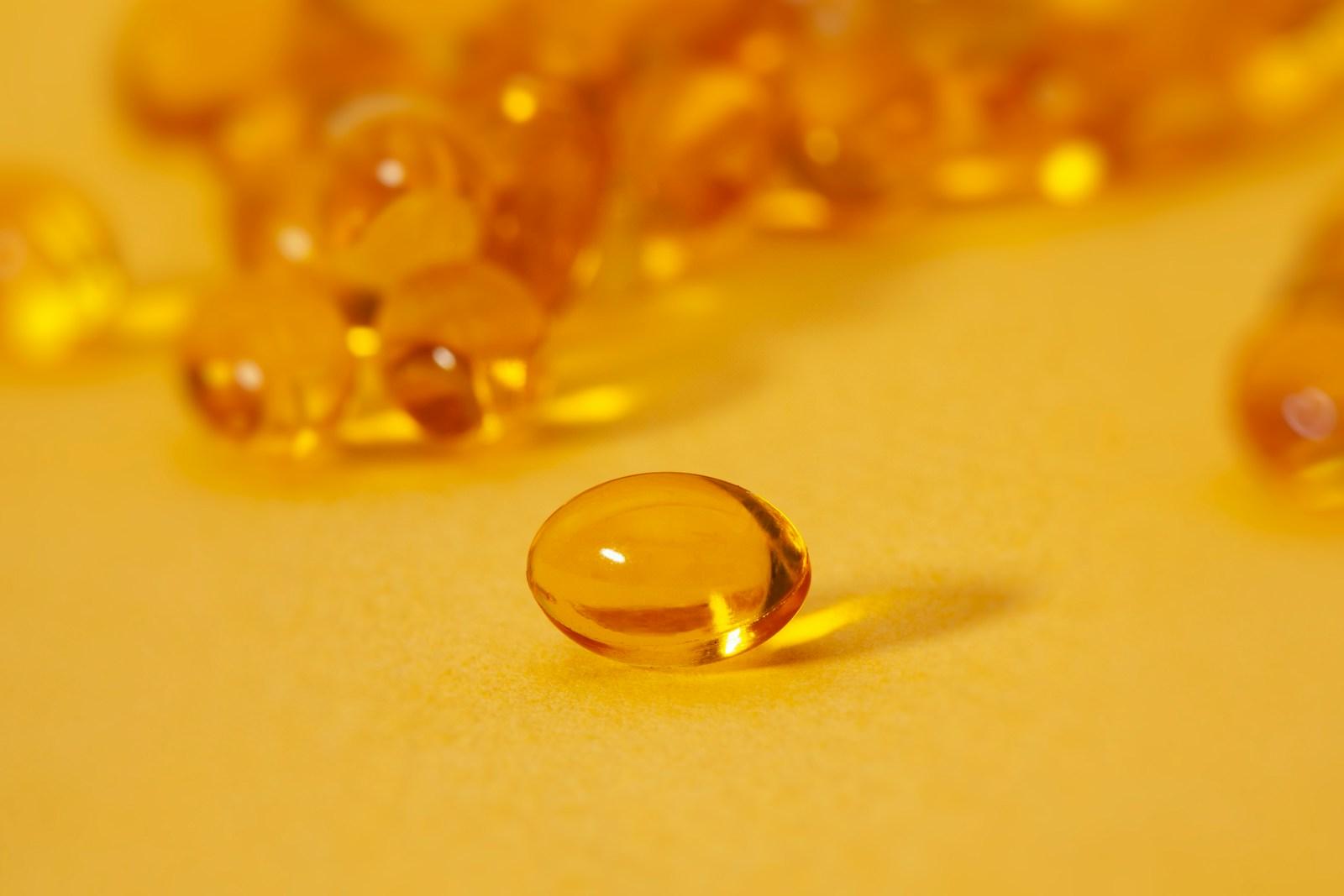
Vitamin D can be obtained through sunlight, food, and supplements. Safe dosage depends on age, health status, and lifestyle. The recommended dietary allowance (RDA) for most adults is 600 to 800 international units (IU) per day. Older adults may require higher amounts to maintain bone health.
Excessive intake of vitamin D can be harmful. Very high doses may cause toxicity, leading to nausea, weakness, and kidney problems. The upper limit for adults is generally considered to be 4,000 IU per day. It is important to consult a healthcare professional before taking high-dose supplements. Blood tests can help determine individual needs and guide safe supplementation.
Food Sources
Vitamin D is found in fatty fish such as salmon, mackerel, and sardines. It is present in fortified foods like milk, orange juice, and cereals. Egg yolks and beef liver are natural sources. While food provides some vitamin D, it is often not enough to meet daily requirements, especially for individuals with limited sun exposure.
Practical Tips
- Spend short periods in sunlight during the day to stimulate natural vitamin D production.
- Include vitamin D-rich foods in your diet to support intake.
- Consider supplements if recommended by a healthcare professional.
- Monitor levels through blood tests if you are at risk of deficiency.
These steps help balance benefits while avoiding risks of excessive intake.
Conclusion
Vitamin D is essential for bone strength, immune function, and overall health. Deficiency is common and can lead to serious problems, but safe supplementation and lifestyle choices can prevent it. By understanding the benefits, risks, and dosage guidelines, individuals are better equipped to maintain healthy vitamin D levels.
No responses yet